Recovered archive. Dates, ages, roles and announcements reflect the original publication; they are not current updates.
Gianluca Solera offers Arab readers a different perspective on the 30th Arab Summit, held in Tunis at the end of March, showing how little Arab leaders understand their citizens and how distant citizens feel from their authorities.
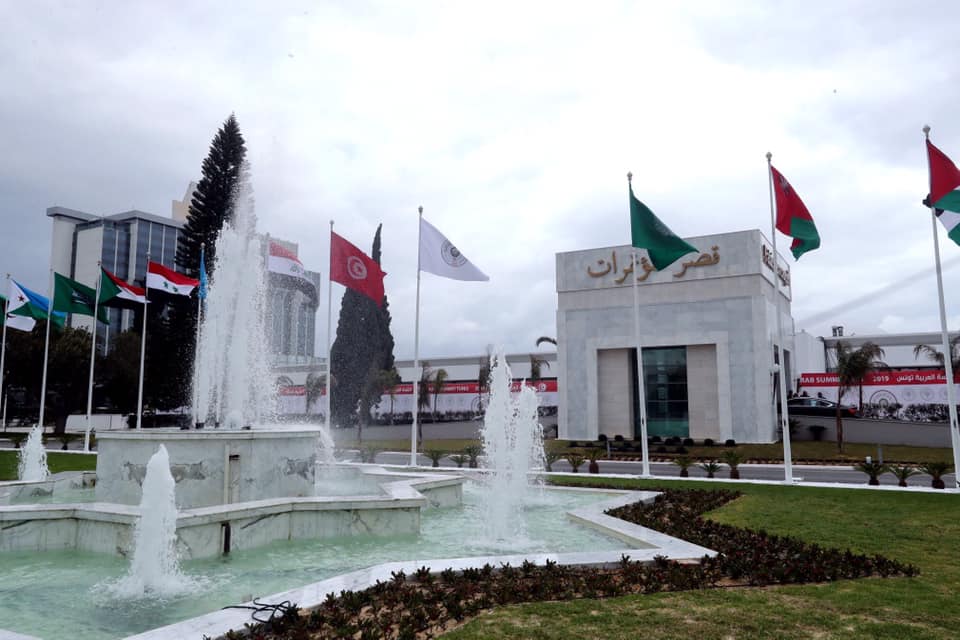
Yesterday the media crowded into the Tunisian capital, decorated with Arab countries’ flags in front of public buildings, in squares and at intersections, beside international hotel entrances and along major roads. The roads had been refurbished and planted with flowers and artificial turf laid over a sheet of plastic, making it all look like stage scenery. A plastic layer between the earth and the grass: that is the best description of this summit.
The capital’s streets were not merely full of flags. Every summit venue had been sealed off from citizens, despite the widespread lack of Arab interest in the event and the motorcades of its ageing monarchs and presidents-for-life. I saw the anger of the taxi driver who picked me up and heard his straightforward assessment: Arab presidents fear citizens and cannot go near the people. They live in their gilded palaces and have no idea about citizens’ living conditions.
It was difficult to disagree when he said: “They’re afraid of us because the people don’t like them!”
Taxi drivers are the world’s voice of truth. As mine drove on, smiling sarcastically at the police lining the roads, I listened to radio reports of the summit and its familiar rhetoric about establishing a Palestinian state and the common Arab position on regional issues. Two enormous Saudi aircraft passed overhead carrying the Saudi king and his delegation, who had left before the summit’s opening session ended.
While the spring breeze blew over Tunis’s buildings, the rulers’ speeches merely repeated corrupt and hypocritical notions, neglecting everything concerning Arab peoples and perpetuating fear of the citizen. Like the plastic separating turf from earth, the presidents isolate themselves from their peoples in buildings and conference halls surrounded by police.
In front of the Municipal Theatre, opened in the early twentieth century to stage operas entertaining the Tunisian bourgeoisie, a group of citizens, including half a dozen clowns, protested against the Saudi king’s presence and his policies towards the Arab public. Their colourful wigs were a satirical weapon to embarrass the dozens of police officers. There had been far fewer officers protecting the spontaneous sit-in on the theatre steps in previous weeks in solidarity with the great Algerian people.
I wonder why. Had the taxi driver been there, he would have replied: “Because people aren’t afraid of people.”
Gianluca Solera
Tunis, 1 April 2019